OoleracleanCommercial & turnover cleaning

oleraclean Turnover day at a lake rental. Five rooms, one checklist, photos logged before the next guest pulls in. Book a turnover at the link in bio.
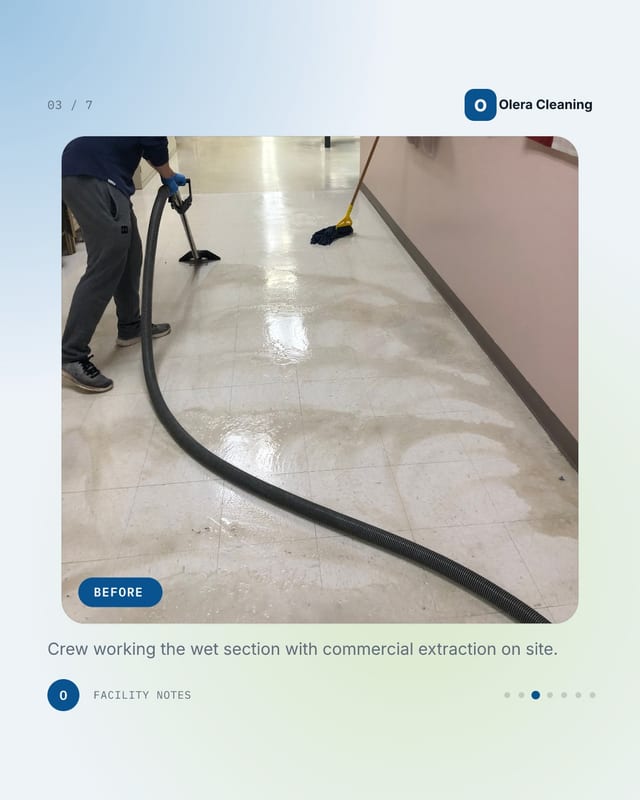
A finished post every day on Facebook and Instagram, timed to your town’s weather and season. Written in your voice, checked before it ships, published without you touching it. Job photos come back as before, progress, and after stories.
First post within a day. Then one every day at 4 PM Eastern. $49 a month, 3 days free.

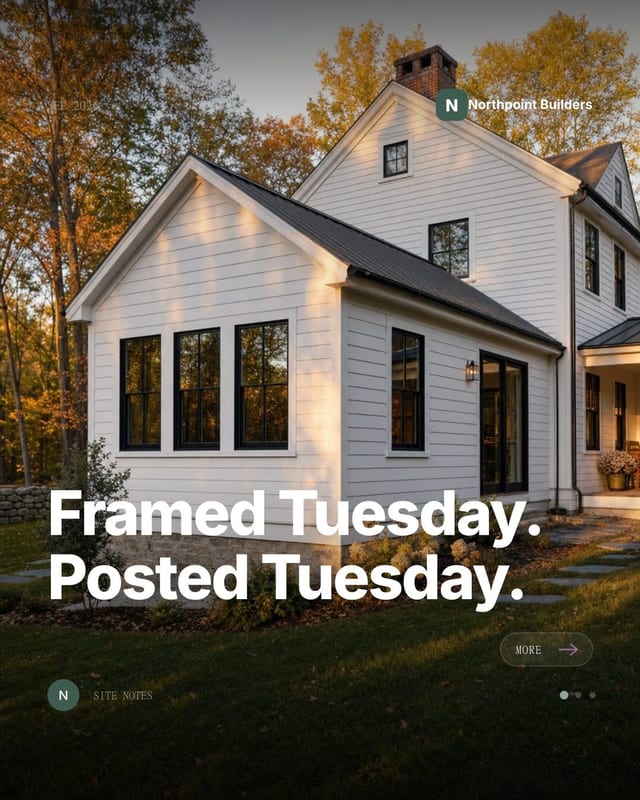

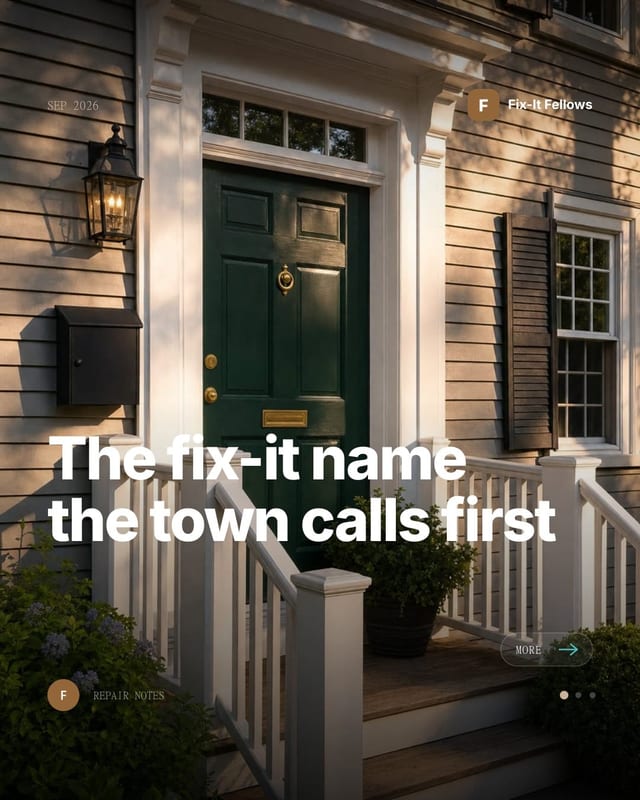


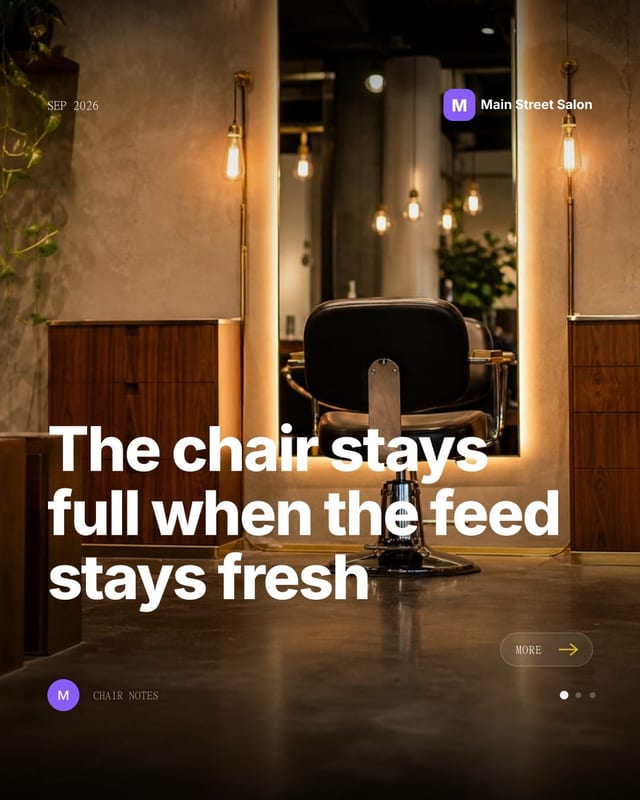
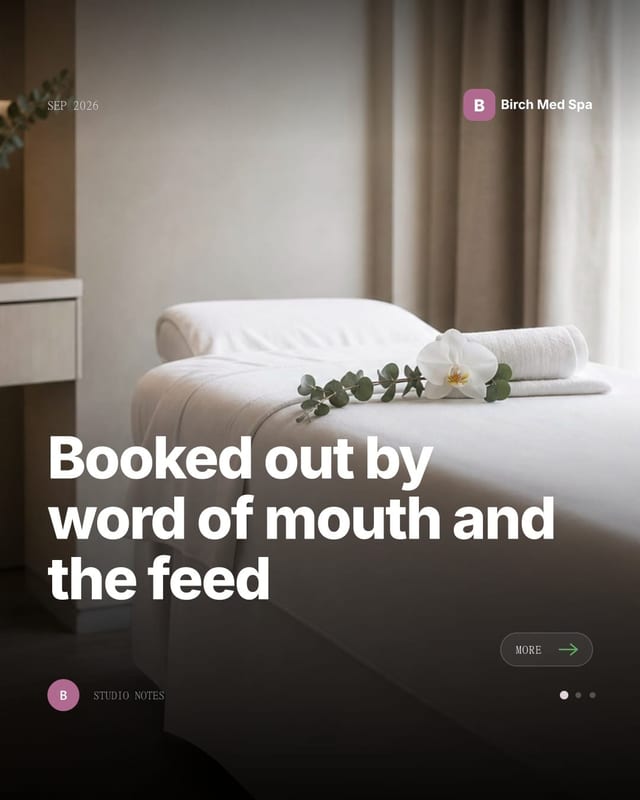


Not because you are lazy. Because customers, the crew, and the schedule in front of you come first.
People find you in the feed before they find your website. A quiet feed reads as a quiet business. The operators showing up every day are the ones getting the call.
Mica Social takes posting off the list without handing you another vendor to manage.
How it works
Hand it over once. It runs from there.
Point Mica Social at your website and services. Setup takes about a minute. No passwords change hands; Facebook’s own permission screen does the connecting.
Job shots, the crew, a before and after. Or nothing at all, forever. The daily rhythm never waits on you.
Facts, voice, image quality, and stock phrasing get checked before anything reaches Facebook or Instagram.
After that minute there is nothing to approve, schedule, or log into.
What you get
Written and designed in your brand, with a photo made for the day’s topic. Nothing to shoot. The feed fills even in the weeks you send nothing.
A shot from the truck, the chair, or the job site gets written up and published within a day. Before, progress, and after stories from the photos already on your phone.
Send nothing for a month and the feed still fills, photography and all.
On the feed
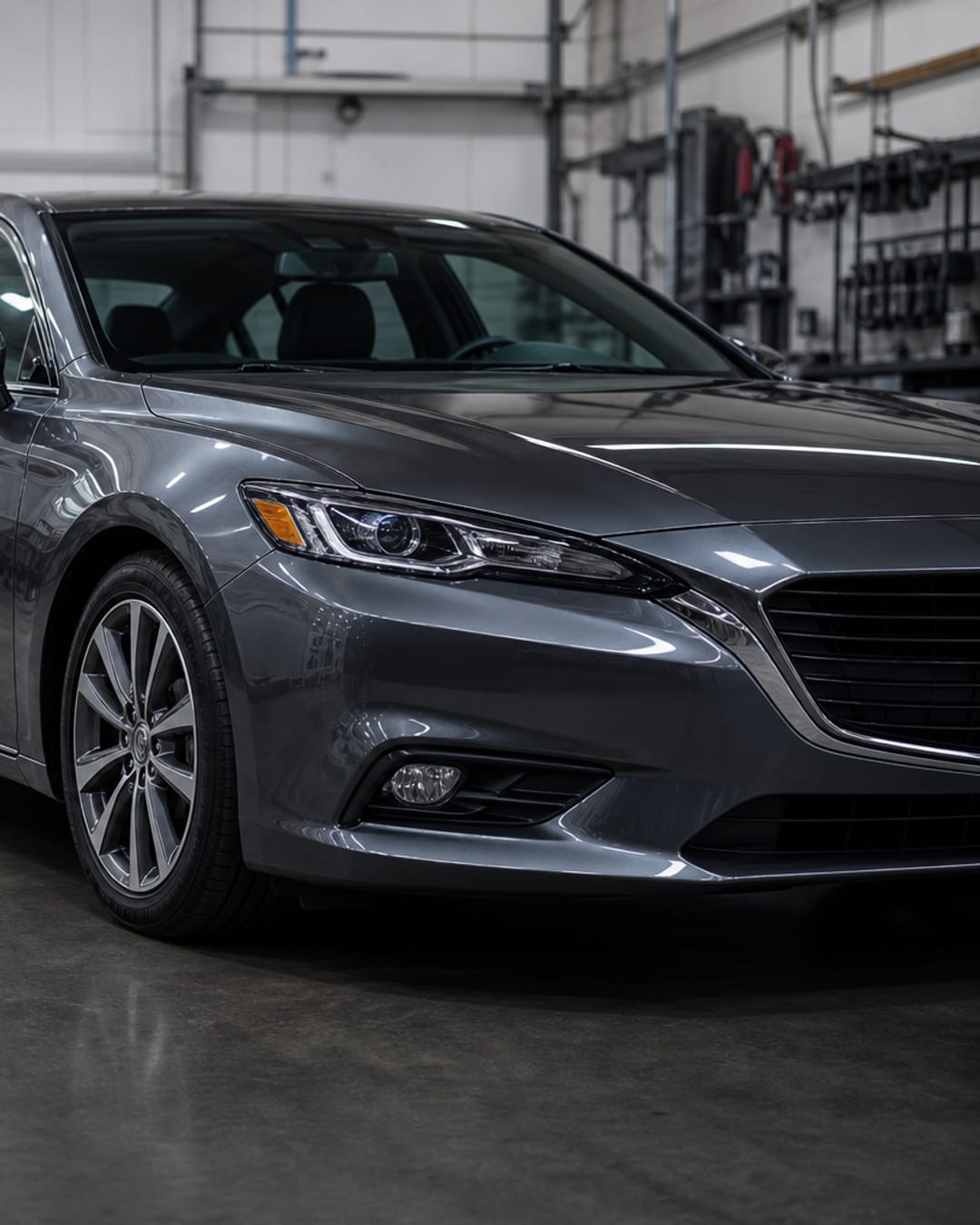
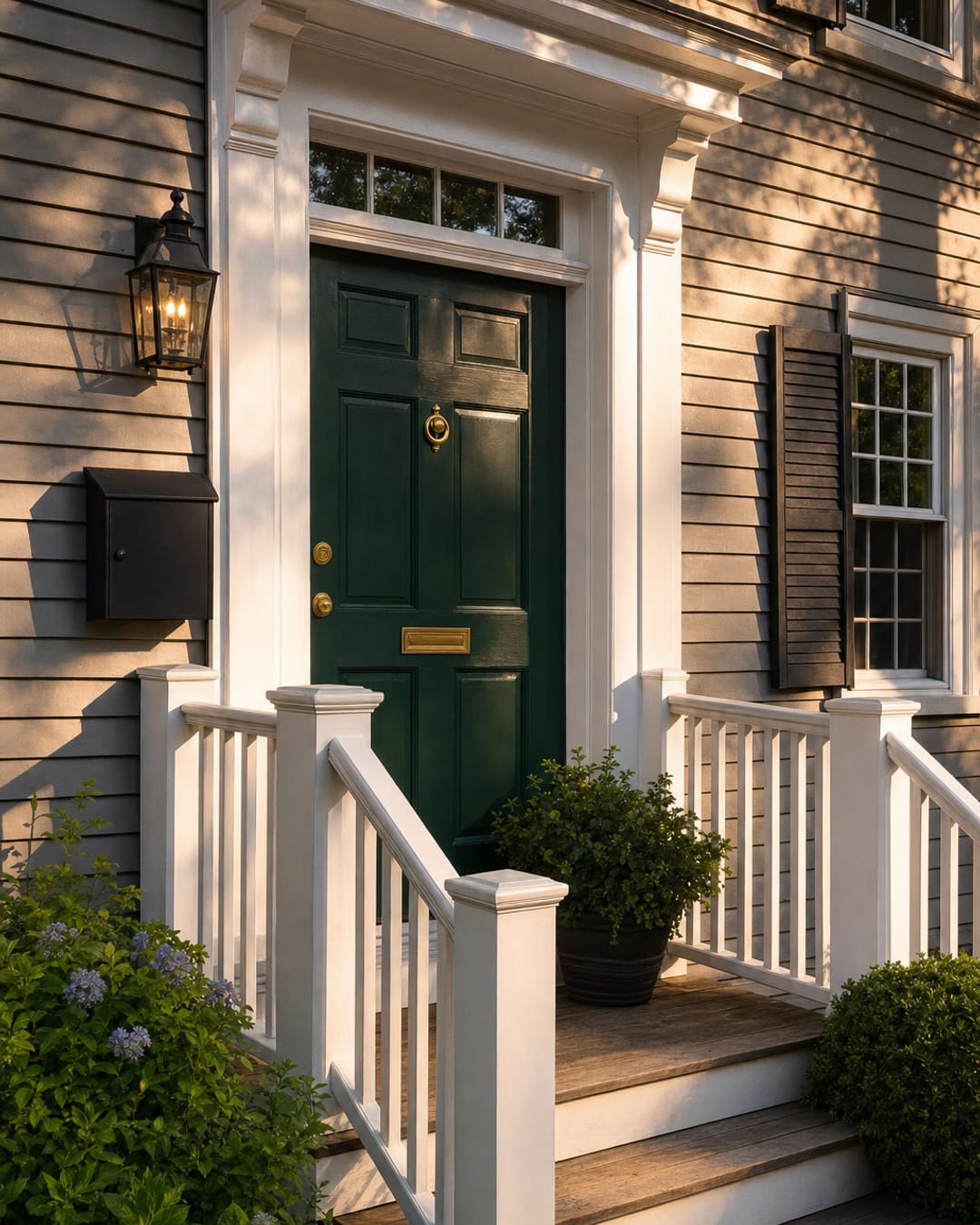
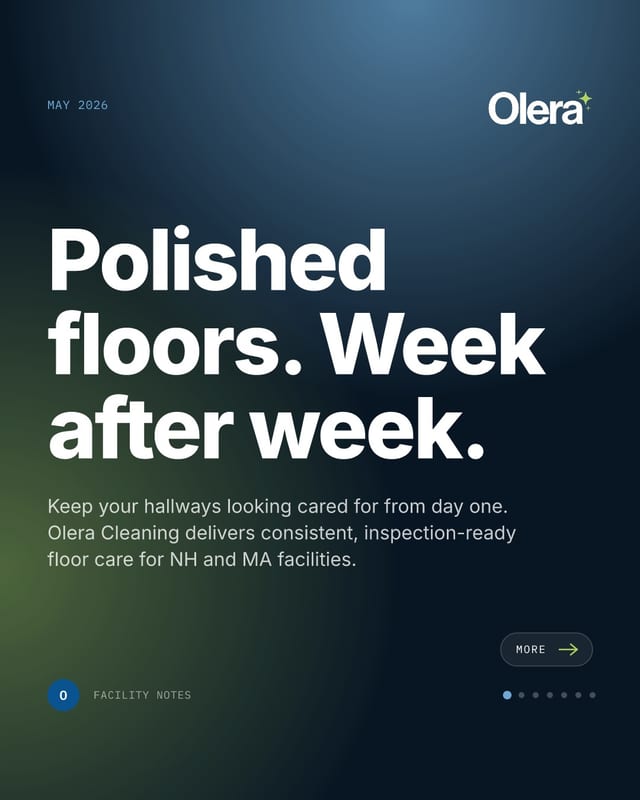
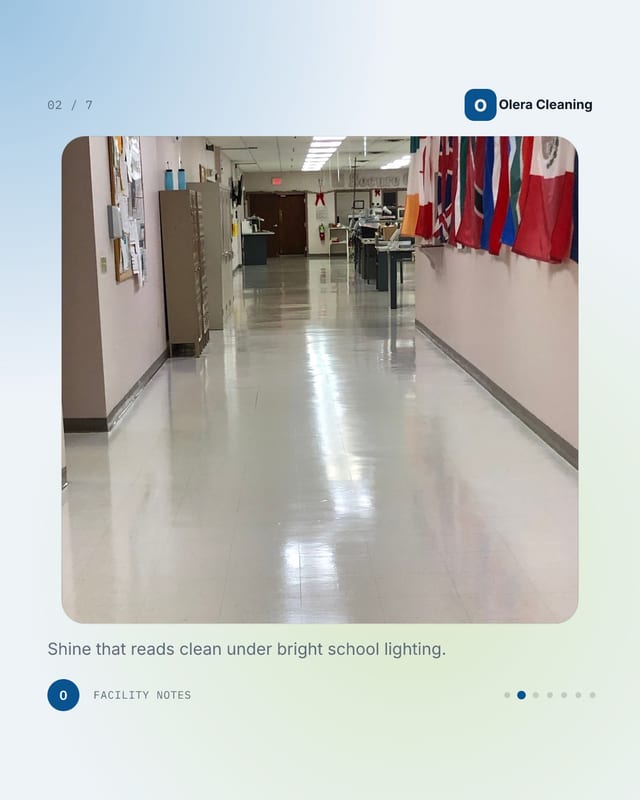
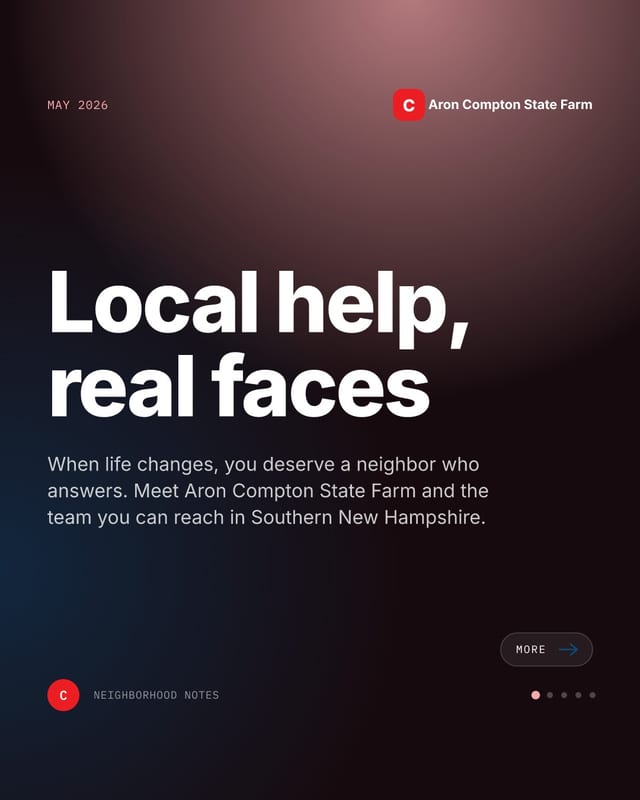
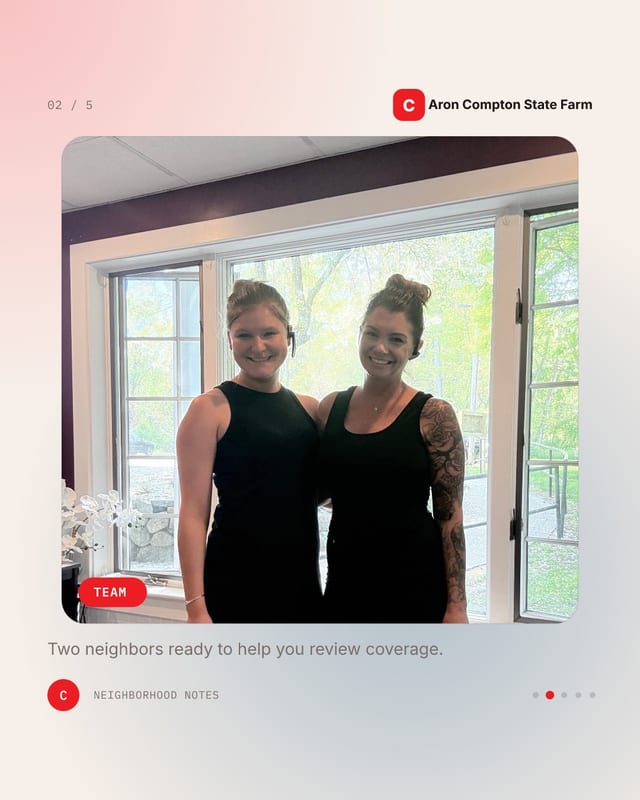
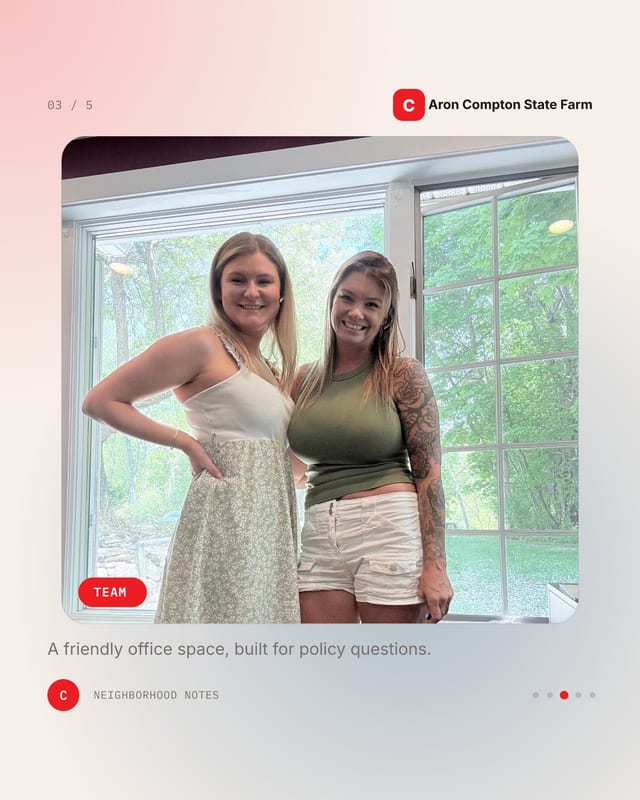
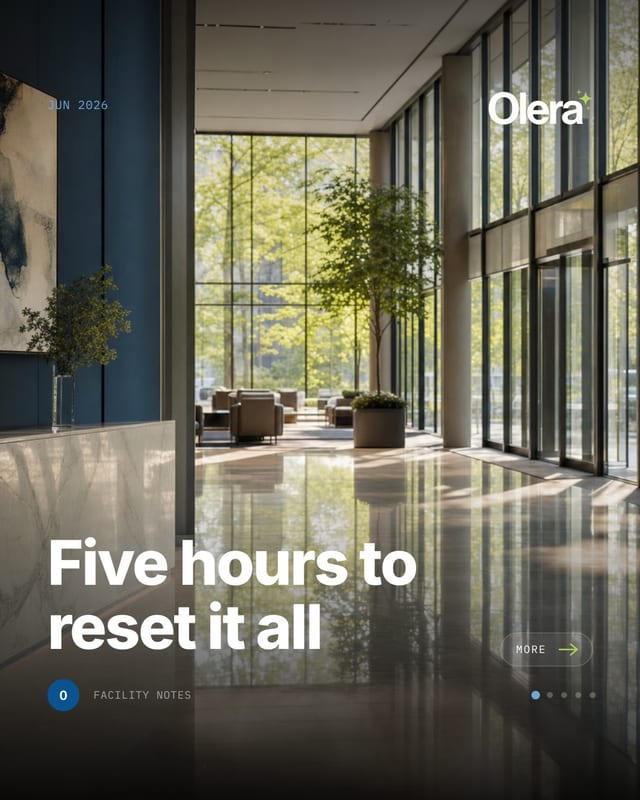
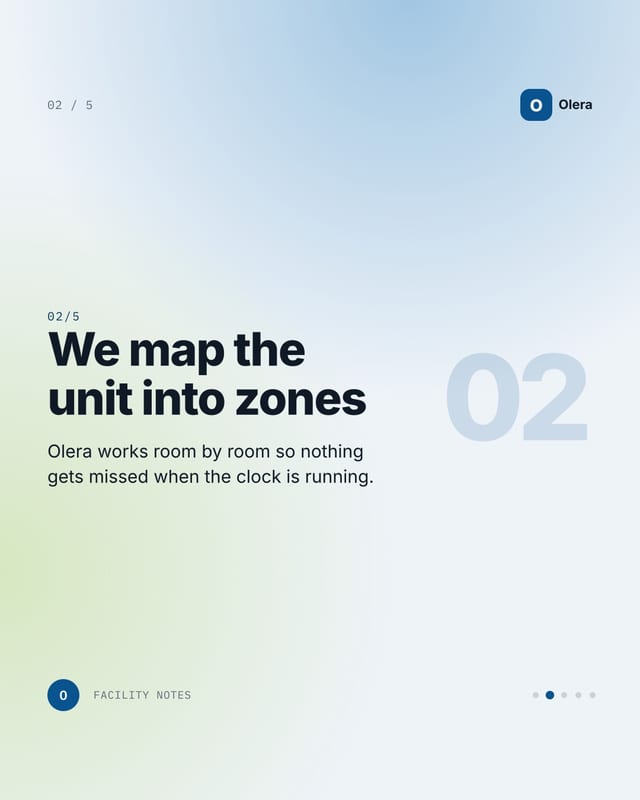
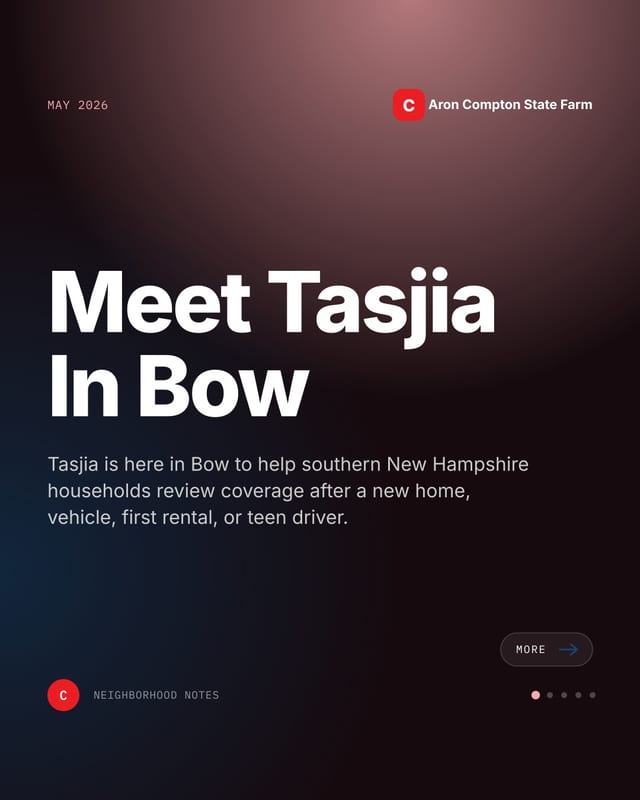
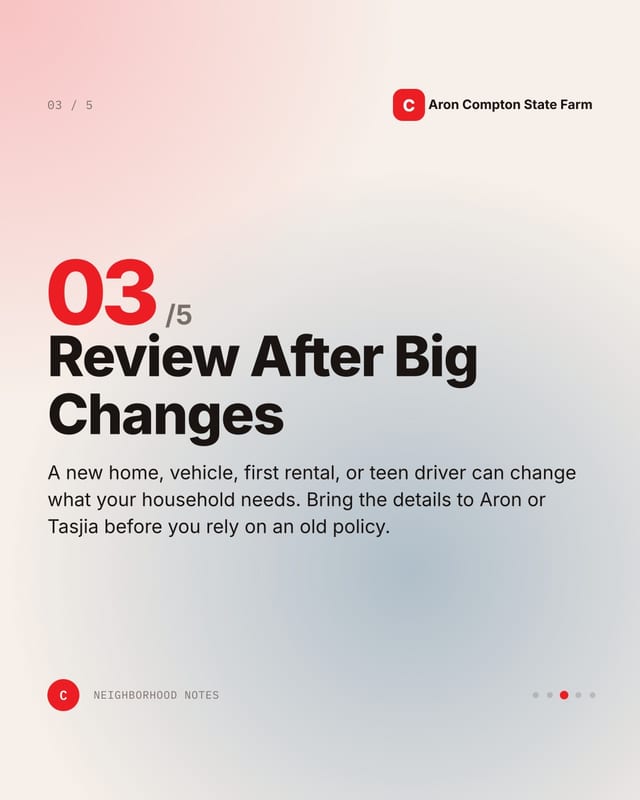
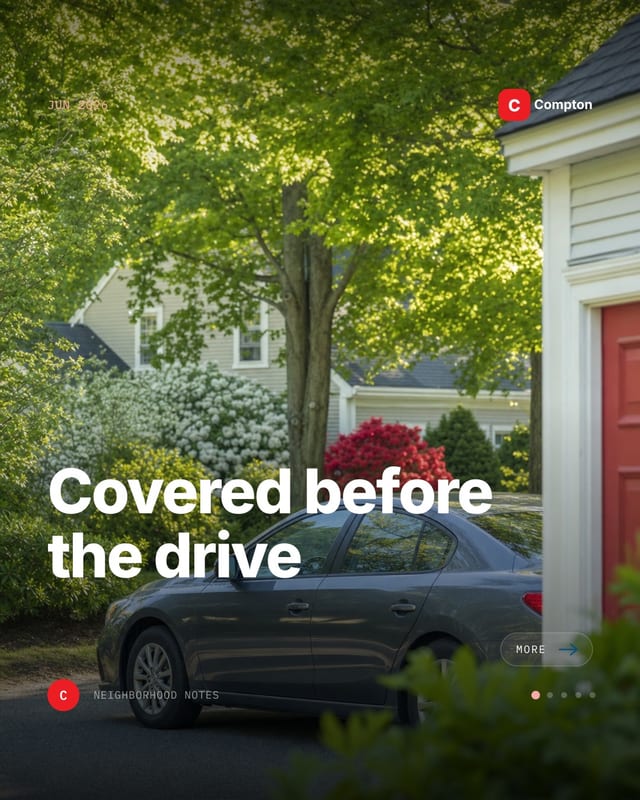
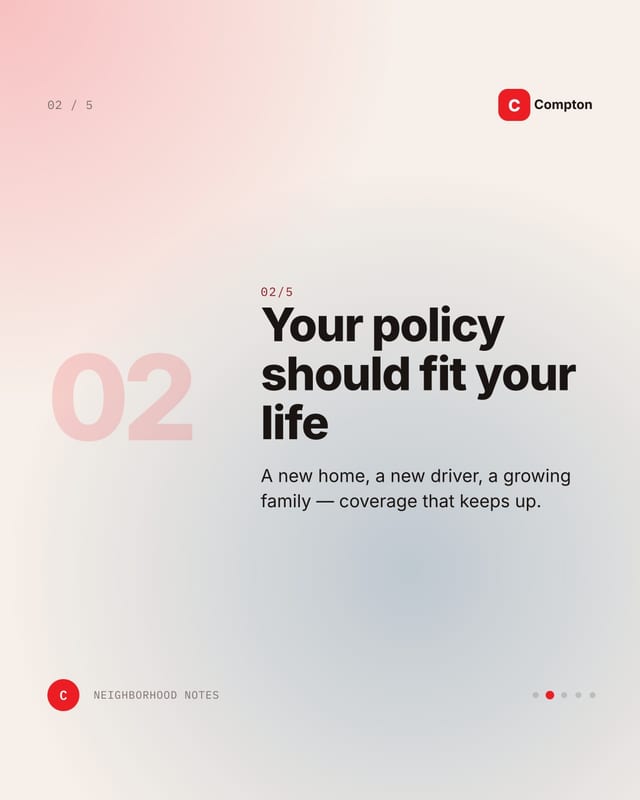
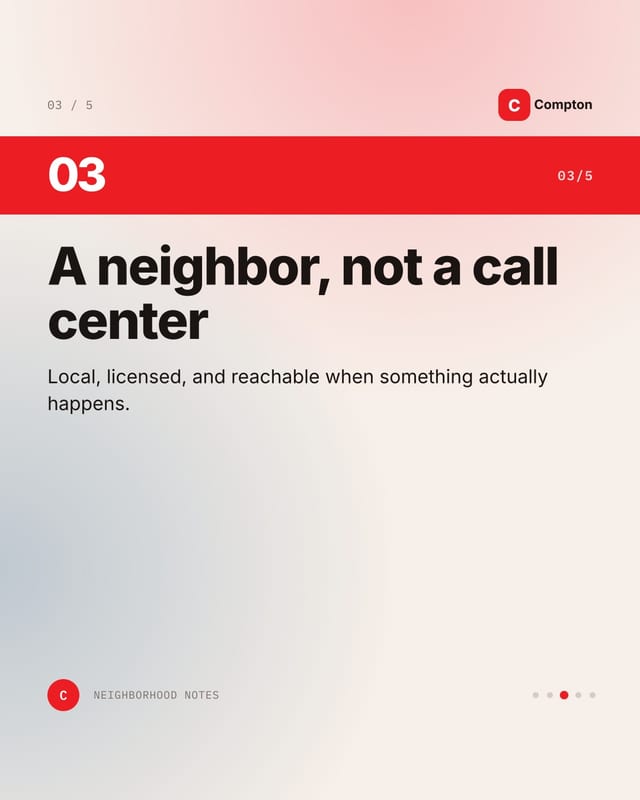
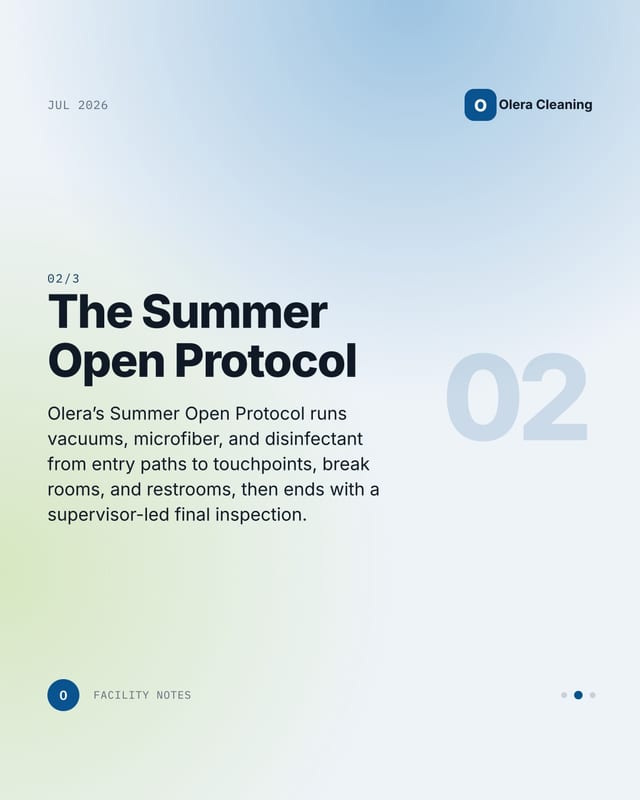
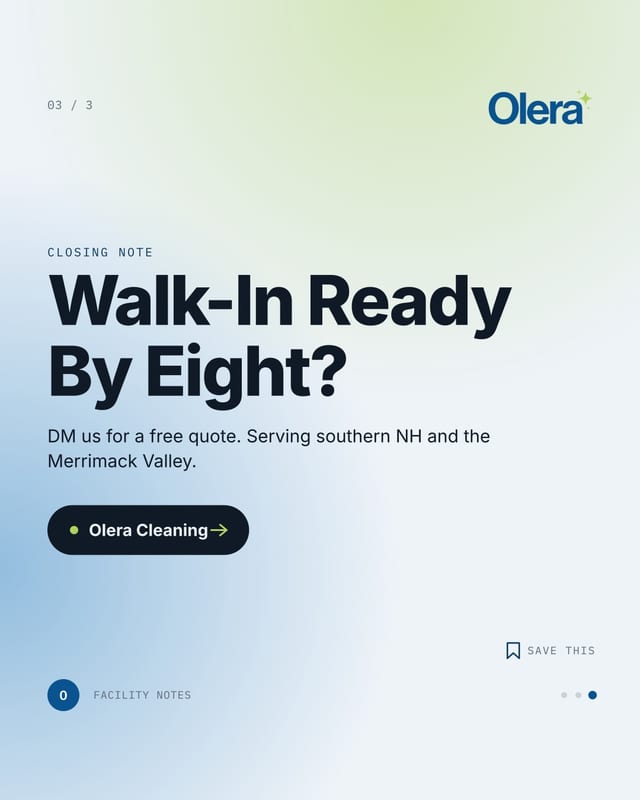
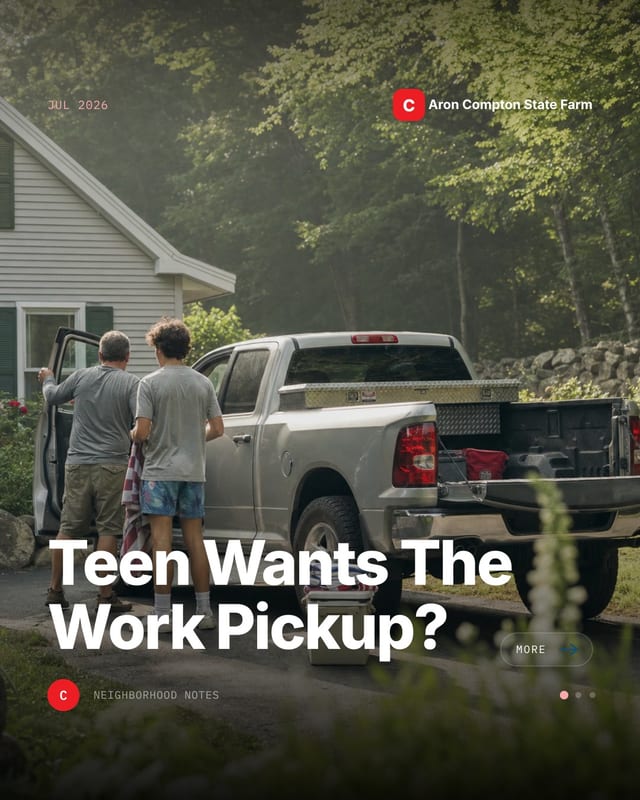
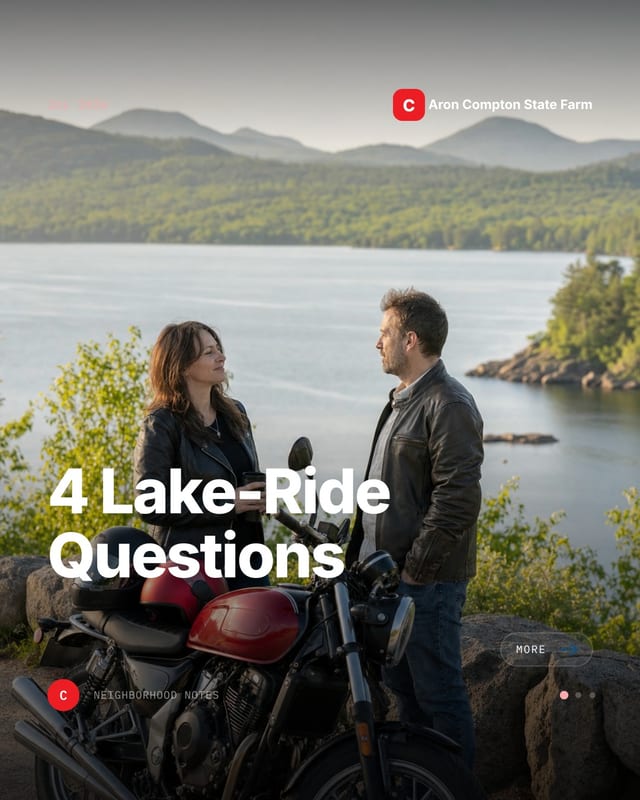
Real posts published for New Hampshire clients Aron Compton Insurance and Olera Cleaning. The auto body card is a sample we drafted. Every image is built for the post; nothing for you to shoot or send.
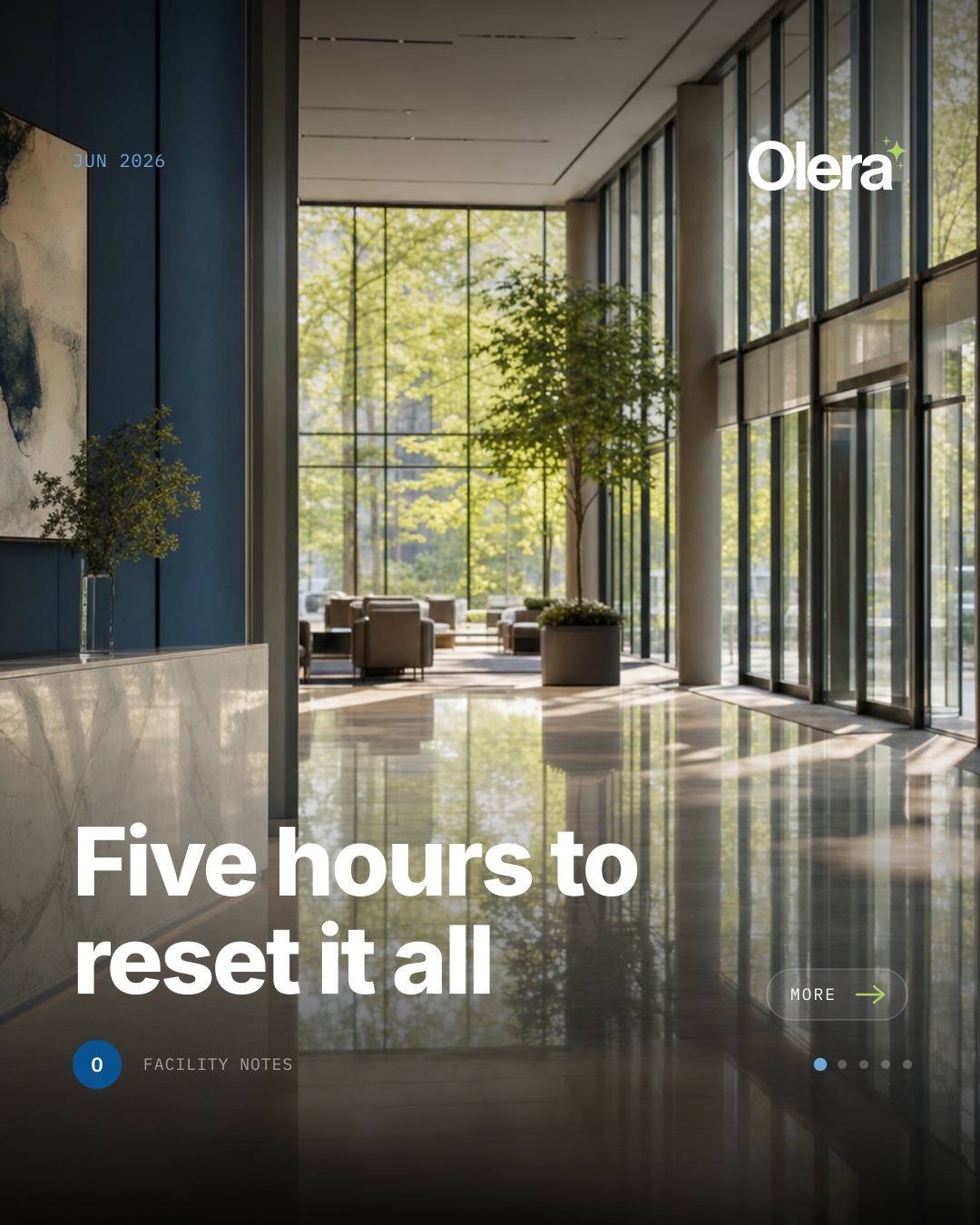
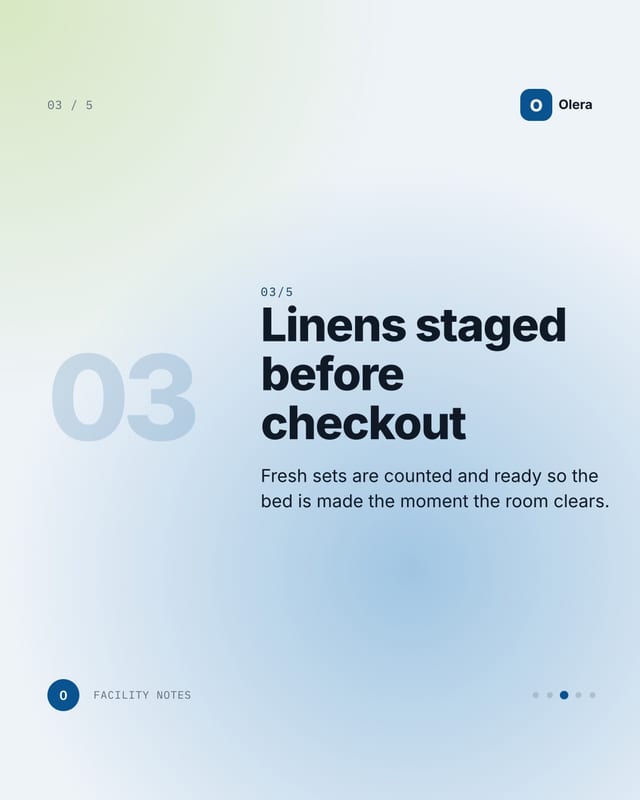
oleraclean Five hours to reset the whole place. Room by room, photo-logged, guest-ready before the next check-in.
23 hours ago
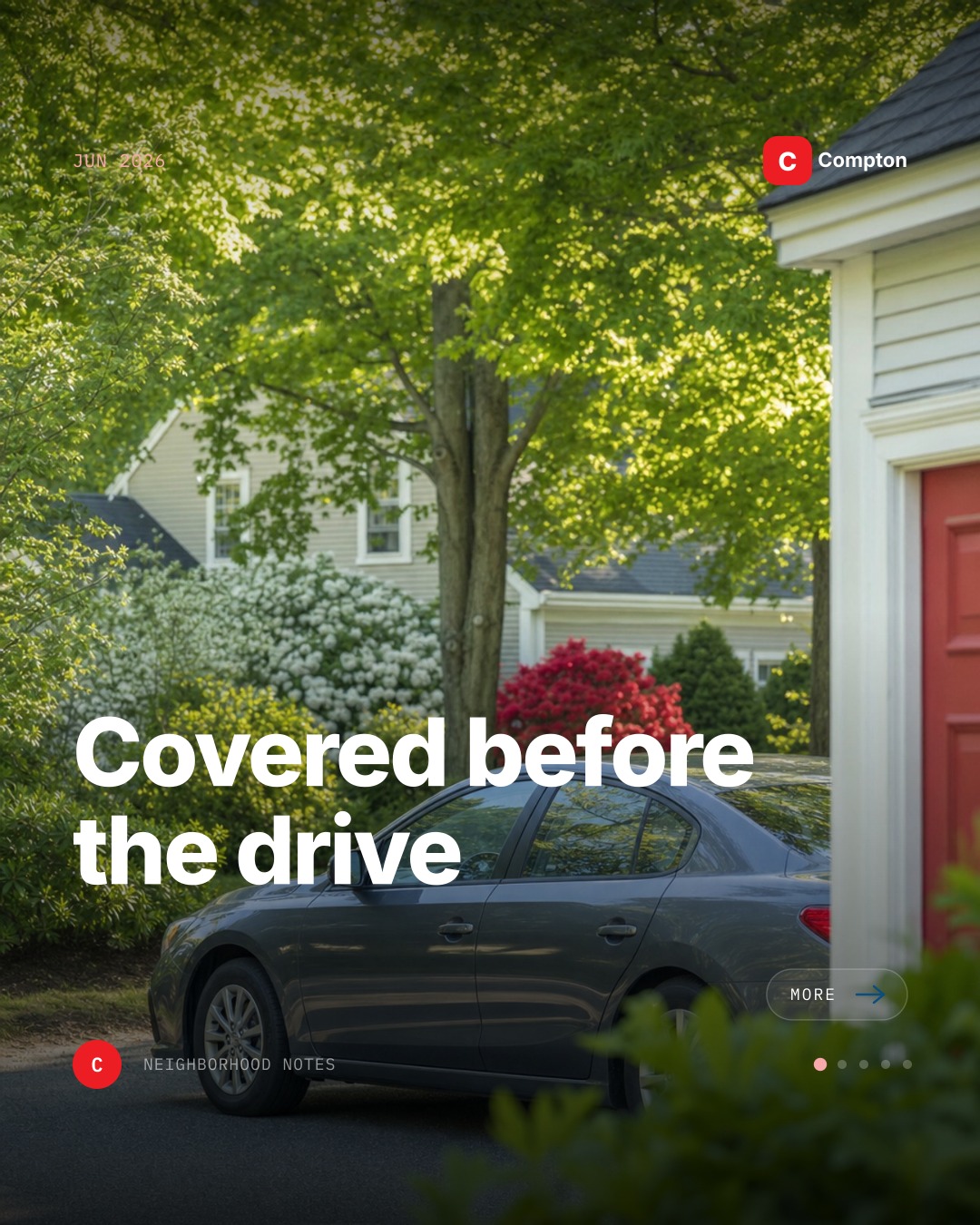
coveragebycompton A new home, a new driver, a growing family. Coverage that fits your life, from a local NH agent.
23 hours ago
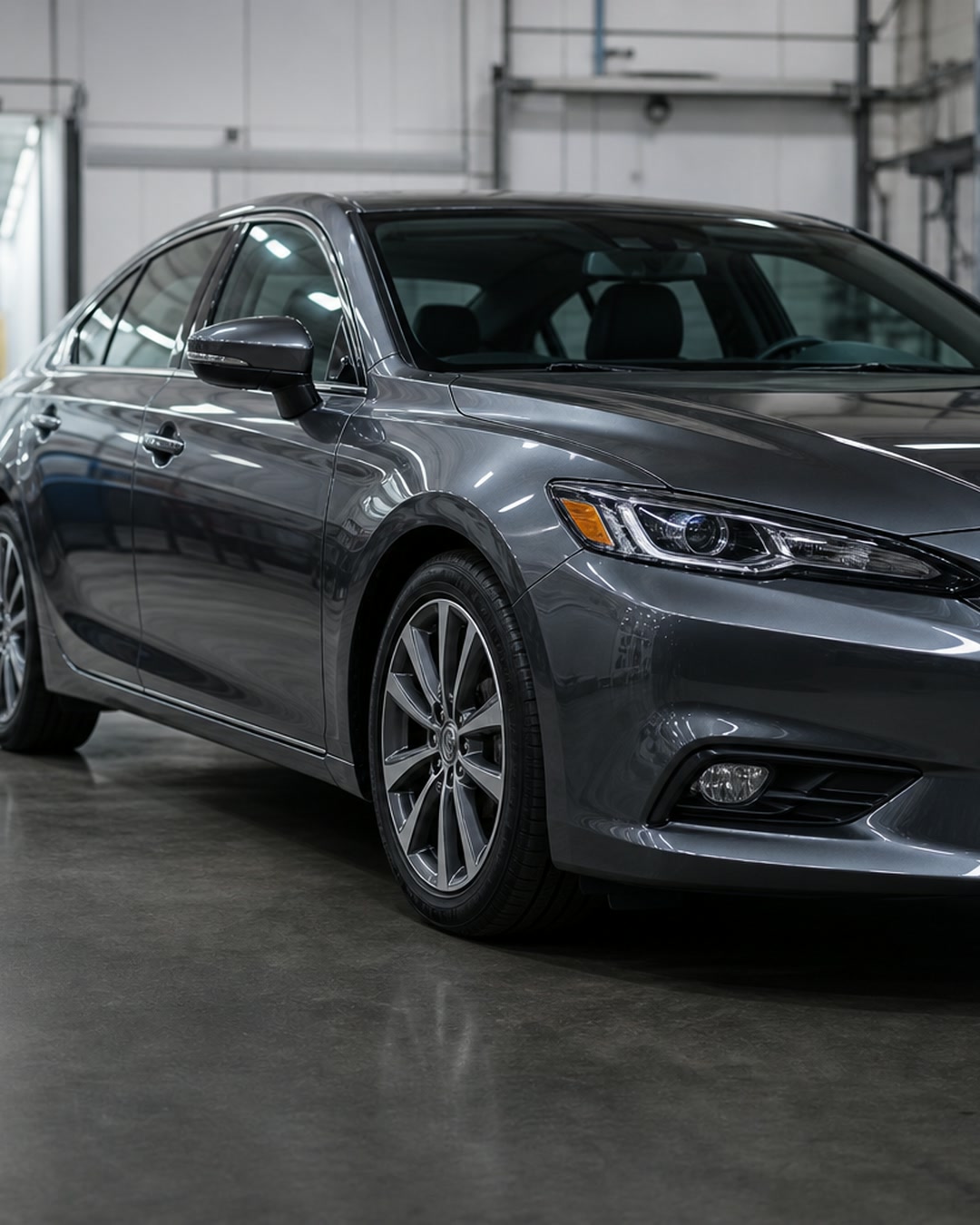
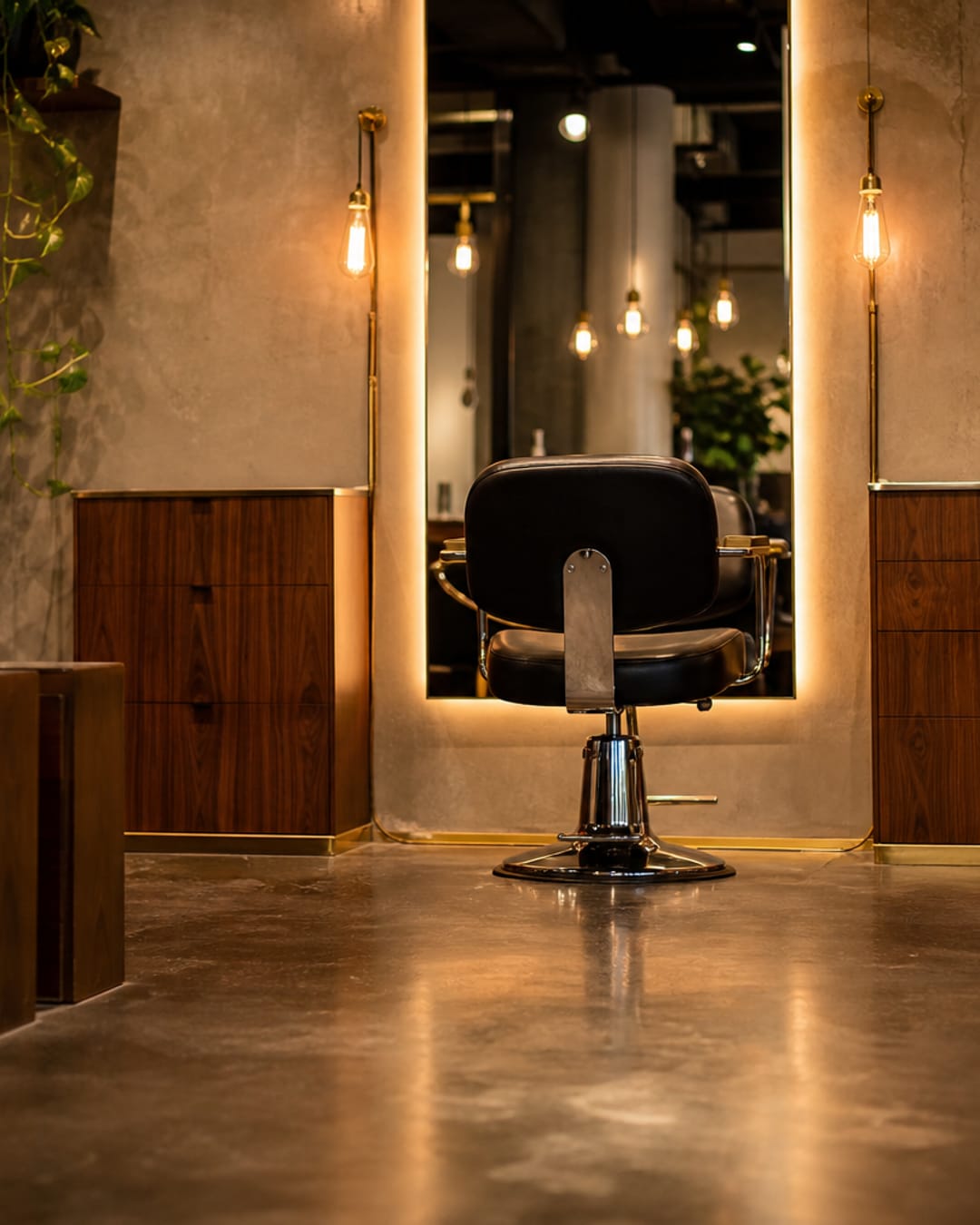
summitautobody Bumper, quarter panel, and a color match you will not catch in daylight.
Sample · drafted for a Manchester shop
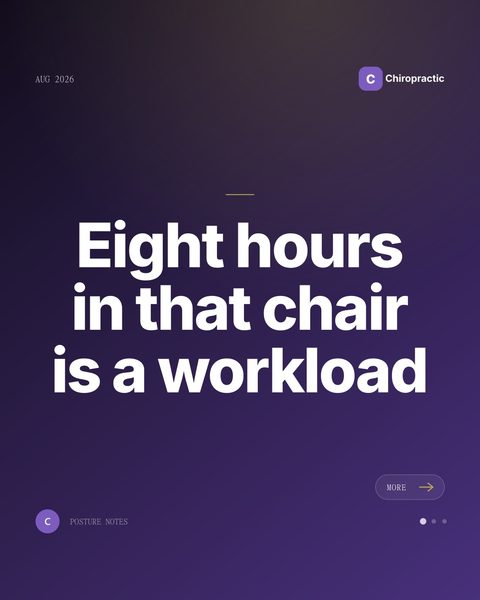
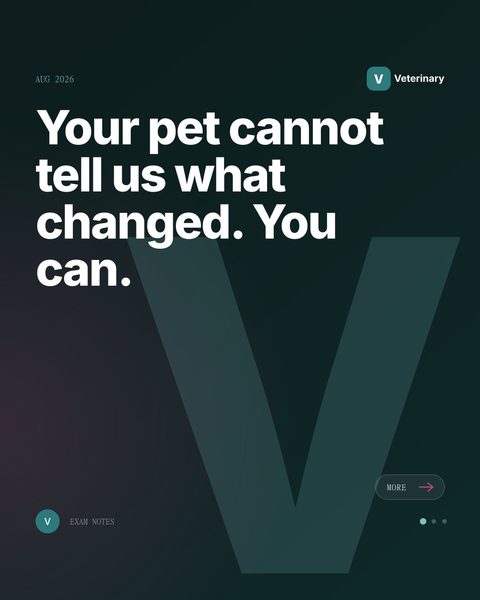
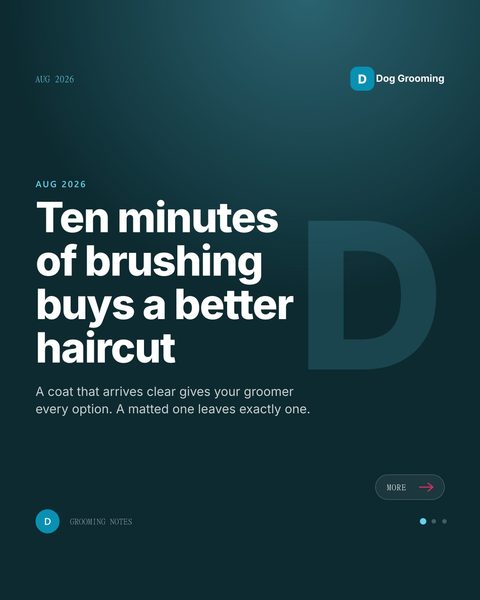
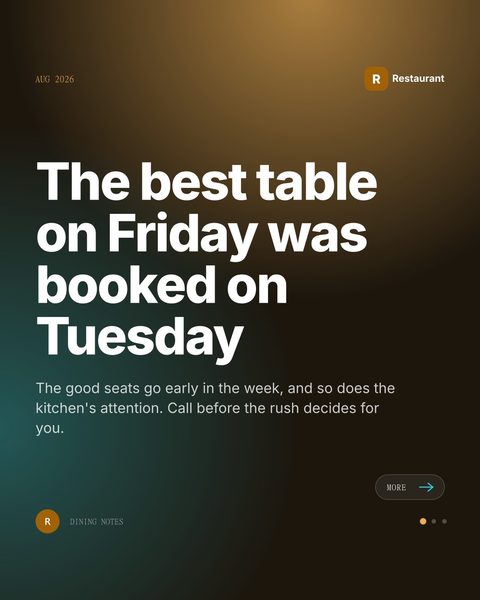
Built for your trade
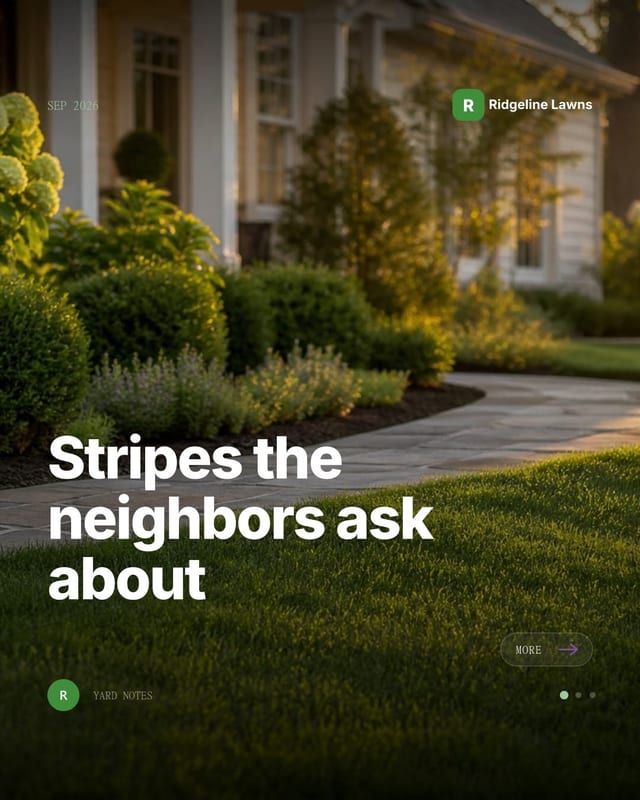
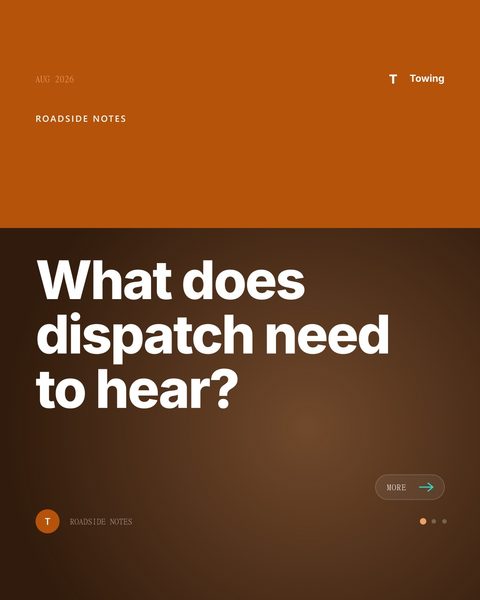
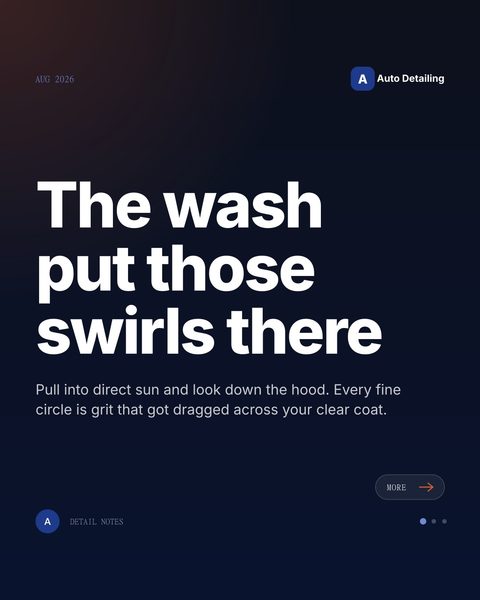
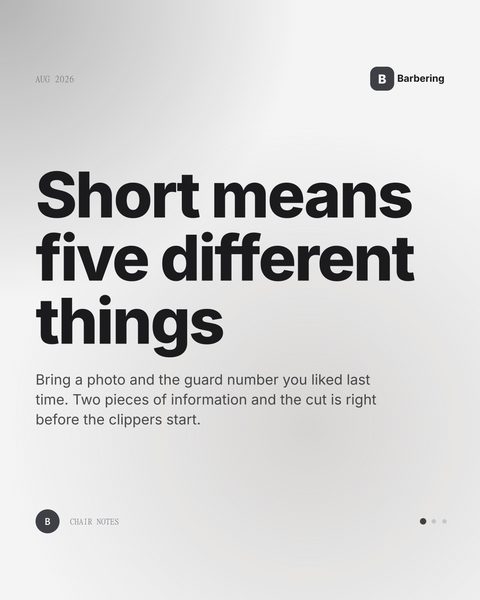
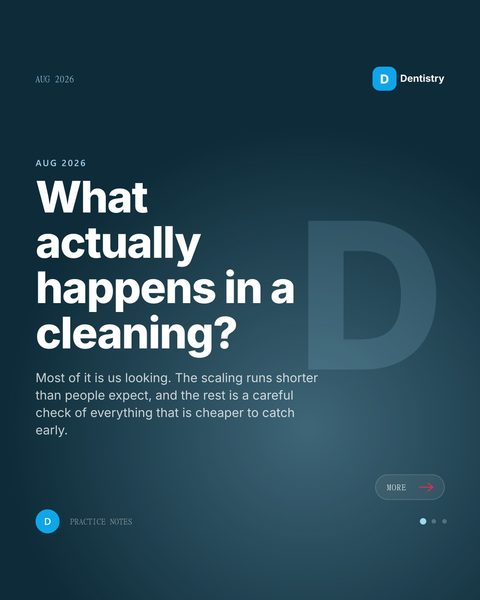
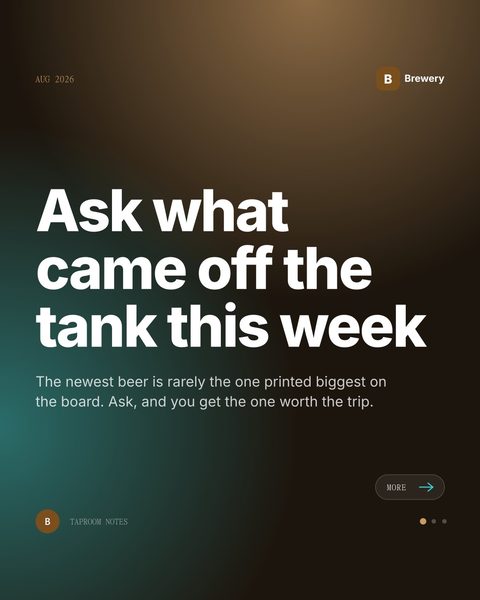
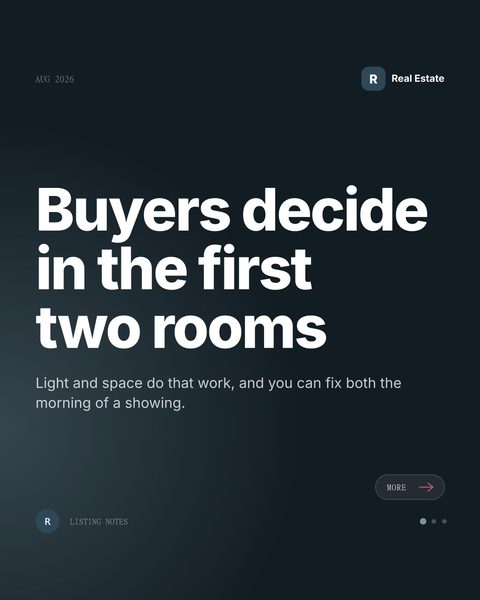
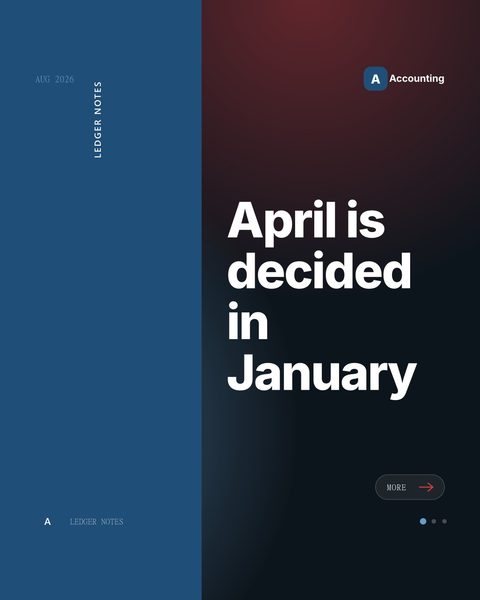
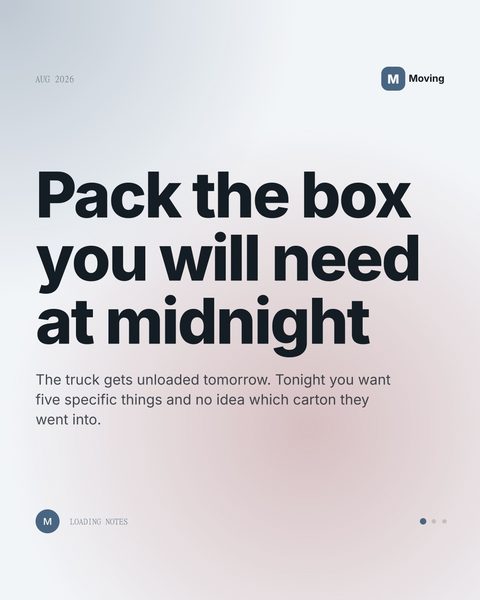
One drafted set per trade, written and art directed by the engine that runs our client accounts. These are samples, not client posts. Yours would be built from your photos, your services, and your town.

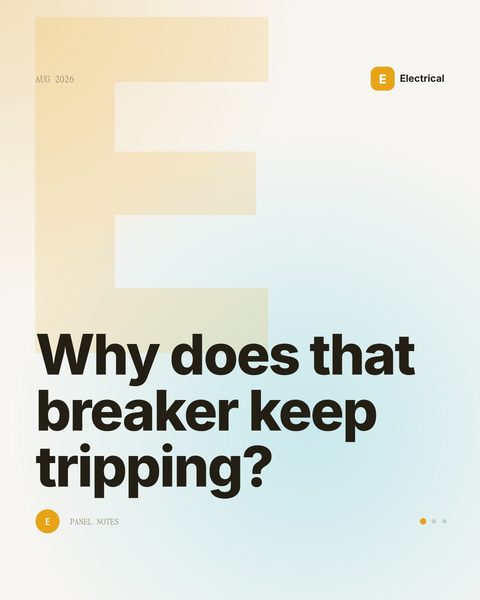
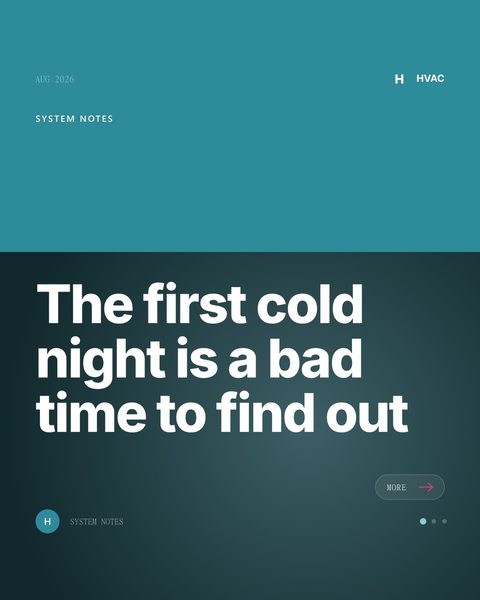
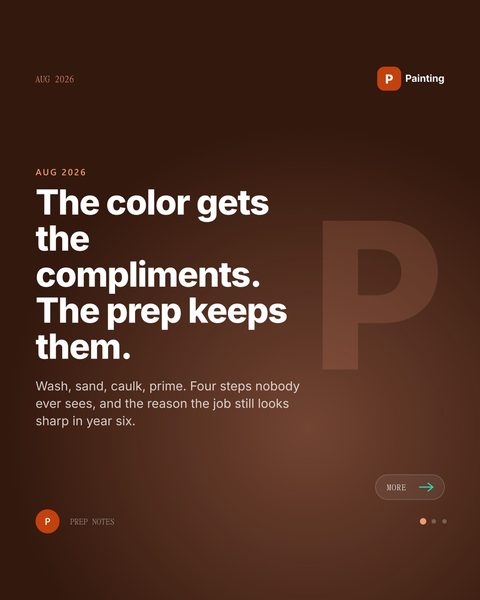






Held to an agency standard
The worry is fair. Done-for-you social can read cheap, generic, or wrong about your business. Mica Social is built around preventing that failure.
Before a post ships, it must pass five checks: correct facts, right service area, real brand voice, usable image, and no stock phrasing. Failed posts get remade before they reach the calendar.
You do not approve each caption. The review layer carries that burden for you.
Yes, Mica Social runs on AI, and you never operate it. We use it to draft, design, and review posts against your brand profile. What you buy is a published feed.
Included on the $49 plan
Storm coming Thursday. Thursday’s post is about gutters and standing water, and you did not write it. First frost lands and the feed is talking about pipes and outdoor spigots. Every morning, before it writes, Mica Social checks your local forecast and your county’s latest market numbers. That timing is what makes a feed look run by someone who lives there.
Read only. It never posts, replies, or changes anything on Instagram.
Then ask how it did
Add the Mica Social Media Analyzer and the ChatGPT or Claude you already use can read your own Instagram: every Reel, post, and Story, your followers over time, and who is watching. Ask in plain words and it answers from your account. Seven days free, then $29 a month, and it never posts.
Pricing
3 days free with a card on file, then month to month. A 30-day money-back guarantee on your first month.
A social media agency running a daily feed for a local business typically bills $500 to $1,500 a month. An agent running this feed says it saves 8 hours a week. Price either one, then read $49.
3 days free with a card on file. Nothing charged for 3 days. Cancel anytime.
Where this fits
Fixed-scope builds and retainers from the team that runs Mica Social in production.
Real clients, real published posts, and the owners’ own words.
Chat with your own Instagram analytics inside ChatGPT or Claude. Reels, posts, Stories, followers, and audience, the whole history.
FAQ
A post every day, written, designed, checked, and published for you. $49 a month, 3 days free with a card on file.
Every week you do not post, the customer holding two quotes picks the one whose feed shows work from this month.
Get seen.
Not ready to start?
Leave your email and we send back a sample post for your business. A person replies. We never ask for a card.